Live coral drops every week • Safe shipping • WYSIWYG available
banner image

Coral Care

Coral Care Guide

Zoanthid Coral


SPS Coral Care Guide: Flowers of the Sea

What Are SPS Corals?
  • Hard corals with tiny polyps (<2 mm)
  • Build calcium carbonate skeletons
  • Known for bright colors & complex shapes
  • Require stable, high-quality conditions
coral care image


What Are SPS Corals?

Small Polyp Stony (SPS) corals are widely regarded as the crown jewels of reef aquariums. Their breathtaking colors, intricate growth patterns, and rapid growth make them a centerpiece in advanced reef systems. However, their beauty comes with a challenge—they demand precision, stability, and dedication.

This comprehensive guide covers everything you need to successfully care for SPS corals, from understanding their natural habitat to mastering advanced care techniques in a home aquarium.
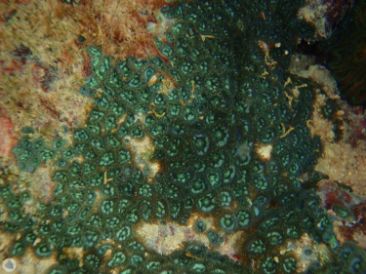
Common Types

  • Acropora – Beautiful but demanding (high light, flow, stability)
  • Montipora – Beginner-friendly, adaptable
  • Seriatopora (Bird’s Nest) – Delicate, needs strong light/flow
  • Others: Stylophora, Pocillopora (more tolerant)


coral care 2 coral care 1

Tank Setup Essentials

  • Strong lighting (LED, T5, or metal halide)
  • High water flow (random/turbulent)
  • Protein skimmer + powerheads
  • Live rock with open structure
coral care 5

Ideal Water Parameters

  • Temp: 75–80°F
  • Salinity: 1.025–1.026
  • pH: 8.1–8.4
  • Alkalinity: 8–12 dKH
  • Calcium: 400–450 ppm
  • Magnesium: 1250–1350 ppm
  • Nitrates: <5 ppm
  • Phosphates: <0.03 ppm

Stability is more important than perfection.
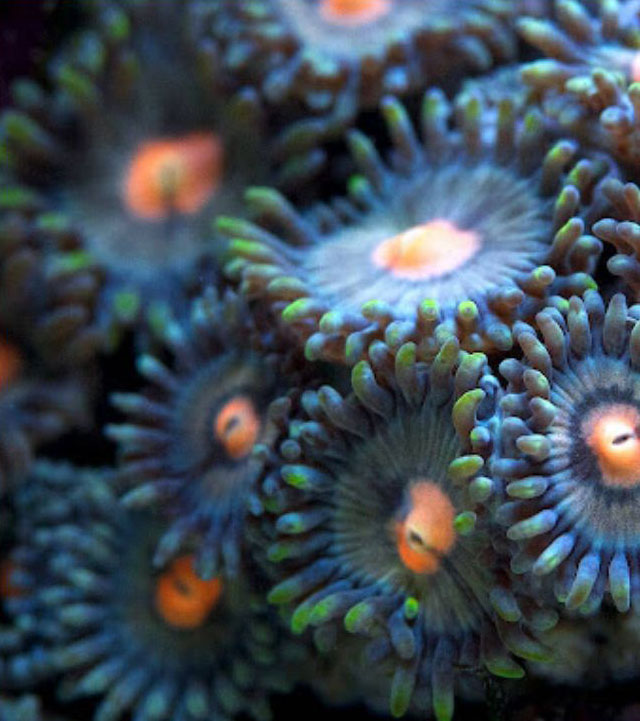
Lighting Needs

  • High intensity required
  • 8–10 hour photoperiod
  • Blue + white spectrum
  • LEDs = most flexible and popular
Vibrant range of corals

Flow Requirements

  • Strong, chaotic flow
  • Avoid direct blasts
  • Use wavemakers or gyre pumps


Feeding

  • Mostly photosynthetic, but benefit from feeding:
  • Phytoplankton
  • Zooplankton
  • Coral foods
  • Feed 1–2× per week (preferably at night)

Supplements

  • Dose regularly:
  • Calcium
  • Alkalinity
  • Magnesium
  • Add trace elements (iodine, strontium)
  • Use dosing pumps for consistency

Common Problems

  • RTN/STN (tissue loss)
  • Pests
  • Flatworms
  • Red bugs
  • Nudibranchs

Always dip & quarantine new corals

Tank Mates

Good

  • Gobies, blennies, tangs
  • Snails, hermits

Avoid

  • Angelfish
  • Butterflyfish
  • Aggressive crabs
coral care 5
coral care 5

Signs of Healthy SPS

  • Bright coloration
  • Strong polyp extension
  • Visible growth

Signs of Stress

  • Bleaching
  • Tissue recession
  • Poor polyp extension


Golden Rules for SPS Success

  • Stability > chasing perfect numbers
  • Strong light + strong flow
  • Keep nutrients low (but not zero)
  • Consistency is everything
  • Quarantine everything new
coral care 9

Final Thoughts

Success with SPS corals is rarely what beginners imagine. It is not about having the most expensive equipment, chasing perfect numbers on test kits, adding every supplement on the market, or comparing your tank to heavily filtered social media photos. Instead, true success comes from consistency—maintaining the same parameters day after day. It comes from patience, making changes slowly and observing results before taking further action. It comes from observation, learning to read your corals and know what healthy looks like for your specific animals. And most importantly, it comes from resilience, learning from losses and continuously improving your methods rather than giving up when things go wrong.