Live coral drops every week • Safe shipping • WYSIWYG available
banner image

Coral Care

Coral Care Guide

Zoanthid Coral


Acropora Corals: The Pinnacle of Reef Keeping – A Complete Care Guide

Acropora corals are widely regarded as the crown jewels of reef aquariums. Their breathtaking colors, intricate branching structures, and rapid growth make them a centerpiece in advanced reef systems. However, their beauty comes with a challenge—they demand precision, stability, and dedication.

This guide covers everything you need to successfully care for Acropora corals, from understanding their natural habitat to mastering their care in a home aquarium.
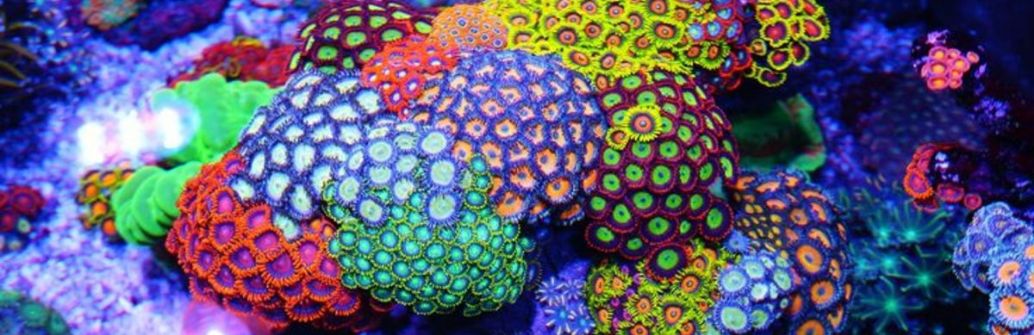
coral care image


What are Acropora Corals

Acropora corals belong to the family Acroporidae and represent one of the largest and most diverse coral genera, with over 150 known species. They are fast-growing, reef-building corals that play a vital role in marine ecosystems by creating complex structures that support biodiversity.

Their branching skeletons provide shelter for fish, invertebrates, and microorganisms, making them essential to reef health.

Popular Types of Acropora Corals

Common Species

Some of the most commonly kept species include:

    • Acropora tenuis – Thick branches with vibrant coloration
    • Acropora millepora – “Fuzzy” appearance due to extended polyps
    • Acropora digitifera – Finger-like growth, often blue or green
    • Acropora formosa – Slender branches with delicate tips

Natural Habitat

Acropora corals thrive in shallow, tropical reef environments with:

  • Clear, nutrient-poor water
  • Strong water movement
  • Intense sunlight

They are most commonly found in the Indo-Pacific region, especially around Australia, Fiji, and Indonesia. Their rapid growth allows them to quickly colonize reef structures and form expansive reef systems.
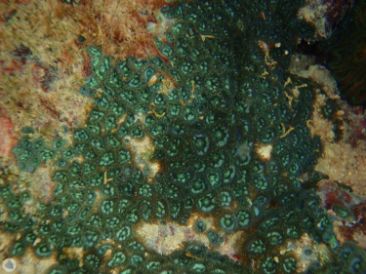
coral care 2 coral care 1


Setting Up the Ideal Tank

coral care 5

Tank Size

Larger tanks (75 gallons or more) are strongly recommended. Increased water volume provides:

  • Greater parameter stability
  • More room for growth
  • Reduced risk of rapid fluctuations

Lighting Requirements

Acropora demand high-intensity lighting:

  • PAR: 200–400
  • Best options: High-output LED or metal halide

Proper lighting not only fuels photosynthesis but also enhances coloration.

Water Flow

Strong, turbulent flow is critical:

  • Use wave makers or gyre pumps
  • Avoid direct, laminar blasts

Benefits include:

  • Nutrient delivery
  • Waste removal
  • Prevention of sediment buildup
Vibrant range of corals

Water Parameters: Stability Is Everything

Maintain these consistent parameters:

  • Temperature: 75–80°F
  • Salinity: 1.025–1.026
  • pH: 8.1–8.4
  • Alkalinity: 8–12 dKH
  • Calcium: 400–450 ppm
  • Magnesium: 1250–1350 ppm

Monitoring & Maintenance

  • Test water weekly (minimum)
  • Use automated monitors if possible
  • Keep a log to track trends

To maintain water quality:

  • Protein skimmer (removes organic waste)
  • Activated carbon (filters impurities)
  • Regular water changes
  • Refugium with macroalgae (nutrient export)

Lighting Requirements

Lighting Types

  • LED (best balance of control and efficiency)
  • T5
  • Metal halide

Schedule

  • 8–10 hours daily

Intensity

  • Too much → bleaching
  • Too little
  • slow growth

Adjust gradually based on coral response.

Feeding Acropora Corals

Although primarily photosynthetic, Acropora benefit from supplemental feeding.

  • Phytoplankton
  • Zooplankton (copepods, rotifers)
  • Amino acids
  • Coral-specific supplements

Feeding Tips

  • Feed 2–3 times per week
  • Use target or broadcast feeding
  • Avoid overfeeding to prevent nutrient spikes


Propagation (Fragging)

Acropora are commonly propagated through fragging:

  • Cut a healthy branch using sterile tools
  • Mount it on a frag plug or rock
  • Allow it to encrust and grow


Best Practices

  • Make clean cuts
  • Minimize handling stress
  • Quarantine new frags before introducing them

Common Challenges & Solutions
Pests

Watch for:

  • Red bugs
  • Flatworms
  • Acropora-eating nudibranchs

Solution: Coral dips and regular inspections
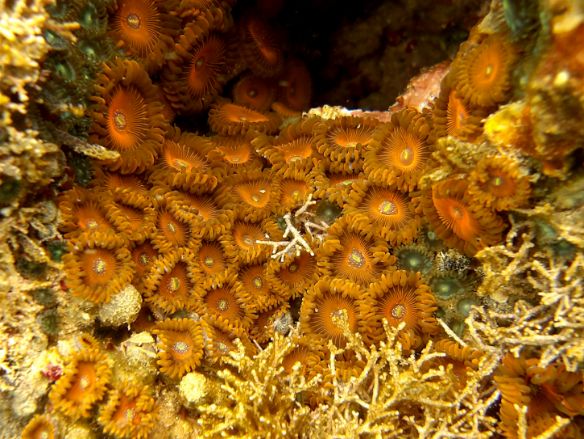
coral care 5
coral care 5

Diseases

Common issues include:

  • White Band Disease
  • RTN (Rapid Tissue Necrosis)

Prevention & Action:

  • Quarantine new corals
  • Maintain stable parameters
  • Isolate infected colonies immediately

Algae Overgrowth Frequently Asked Questions

Algae can smother Acropora if nutrients rise.

Control Methods:
  • Maintain low nitrate/phosphate
  • Add herbivorous fish/invertebrates
  • Manual removal
  • Ensure proper flow and lighting schedule

Frequently Asked Questions

How much light do Acropora need?
200–400 PAR of high-intensity lighting.
How often should I feed them?
2–3 times per week with appropriate coral foods.
How often should I test water?
At least weekly, more often in SPS-dominant tanks.
What tank size is recommended?
75 gallons or larger for stability.
Signs of stress?
•Color loss
•Polyp retraction
•Tissue recession


coral care 9

Conclusion

Acropora corals are among the most rewarding—and demanding—corals in reef keeping. Their vibrant colors and dynamic growth make them a true centerpiece, but success depends on maintaining stable conditions, strong lighting, and proper flow.

With patience and attention to detail, you can successfully cultivate thriving Acropora colonies and bring a piece of the reef into your home.