Live coral drops every week • Safe shipping • WYSIWYG available
banner image

Coral Care

Coral Care Guide

Zoanthid Coral


Saltwater Coral Care Guide for Beginners

Creating a thriving saltwater reef aquarium is one of the most rewarding experiences in the aquarium hobby. While it may seem complex at first, understanding the fundamentals of coral care makes the process far more approachable.

This beginner-friendly guide walks you through everything you need to know—from choosing your first corals to maintaining a healthy, vibrant reef ecosystem.
coral care image


Understanding Saltwater Corals

What Are Corals?

Saltwater corals are marine invertebrates in the phylum Cnidaria. They live in colonies made up of tiny polyps that secrete calcium carbonate, forming the hard skeletons that build coral reefs.

Beyond their beauty, corals are essential to ocean ecosystems, providing shelter, food, and protection for countless marine species.

Types of Corals

Soft Corals (Best for Beginners)

Soft corals are flexible, lack a rigid skeleton, and are generally easy to care for.

Examples:
  • Leather corals
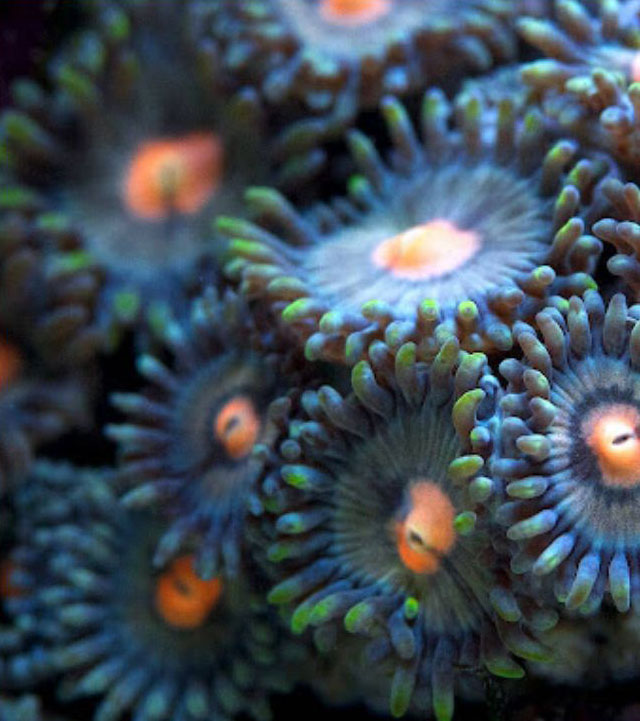
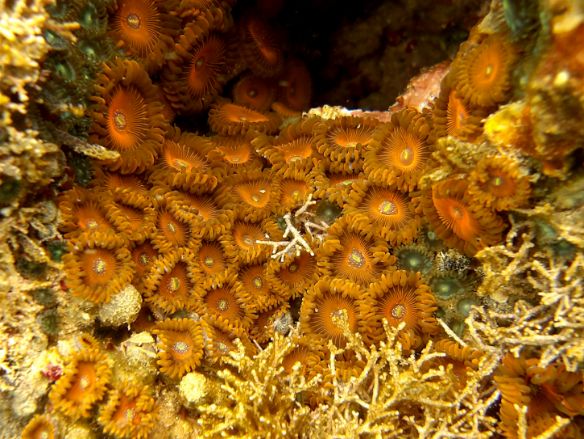
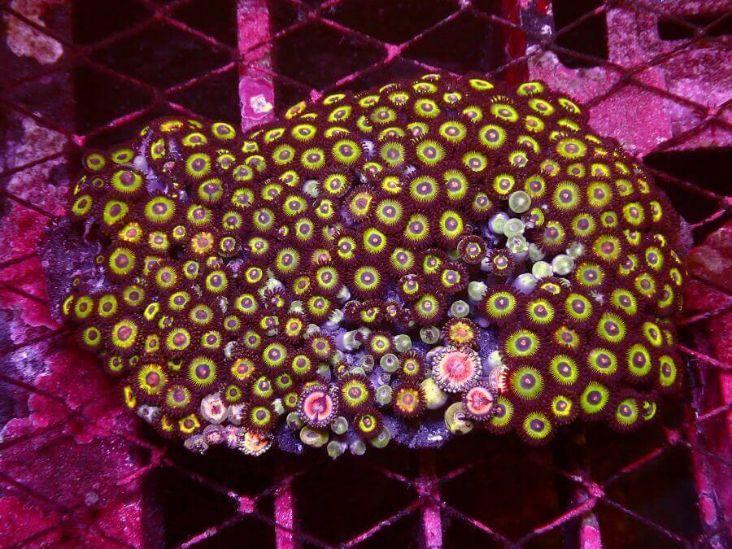
  • Zoanthids
  • Mushroom corals

Hard Corals (LPS & SPS)
LPS (Large Polyp Stony Corals):

  • Larger, fleshy polyps
  • Moderate care level
  • Examples: Euphyllia (hammer, frogspawn), Favia

SPS (Small Polyp Stony Corals):

  • Small polyps, rigid skeletons
  • Require strong lighting and stable parameters
  • Examples: Acropora, Montipora
coral care 2 coral care 1

Setting Up Your Reef Aquarium

Choosing the Right Tank

  • Size: Start with at least 20 gallons (larger tanks are more stable)
  • Shape: Rectangular tanks allow better flow and aquascaping
coral care 5

Essential Equipment

To keep corals healthy, you’ll need:

  • Filtration system (sump, canister, or protein skimmer)
  • Heater (75–80°F range)
  • Reef lighting (LED recommended)
  • Powerheads (for water flow)
  • Test kits (for monitoring water chemistry)


Tank Placement

  • Avoid direct sunlight (prevents algae and overheating)
  • Ensure strong, level support
  • Keep easy access for maintenance

Water Quality & Parameters

Why It Matters

Corals are highly sensitive to water conditions. Stability is the key to success.

  • Hardy
  • Fast-growing
  • Adaptable

Ideal Parameters

  • Salinity: 1.023–1.025
  • Temperature: 75–80°F
  • pH: 8.1–8.4
  • Alkalinity: 8–12 dKH
  • Calcium: 400–450 ppm
  • Magnesium: 1250–1350 ppm
  • Nitrate: < 10 ppm
  • Phosphate: < 0.03 ppm

Maintenance Routine

  • Test water weekly
  • Perform 10–20% water changes every 1–2 weeks
  • Use RO/DI (purified) water and quality salt mix
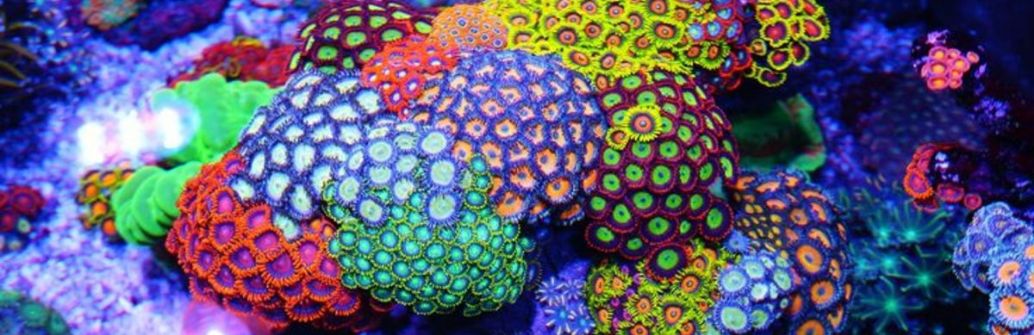
Vibrant range of corals

Lighting for Corals

Lighting Options

  • LED (best choice): Efficient, customizable
  • T5 Fluorescent
  • Metal Halide (powerful but hotter and less efficient)

Light Requirements by Coral Type

  • SPS: High light (200–400 PAR)
  • LPS: Moderate (50–150 PAR)
  • Soft Corals: Low to moderate (30–100 PAR)

Lighting Schedule

  • 8–10 hours per day
  • Use timers for consistency
  •  Acclimate new corals slowly to avoid bleaching

Feeding Your Corals

How Corals Eat

Corals get nutrients from:

  • Photosynthesis (via symbiotic algae)
  • Capturing plankton
  • Absorbing dissolved nutrients

Foods to Use

  • Phytoplankton
  • Zooplankton
  • Coral powders (like reef foods)
  • Amino acid supplements

Feeding Tips

  • Feed 1–3 times per week
  •  Use target feeding (pipette or baster)
  • Avoid overfeeding to maintain water quality

Common Coral Problems

Diseases

  • White Band Disease
  • Brown Jelly Disease
  • RTN (Rapid Tissue Necrosis)

Pests

  • Nudibranchs
  • Flatworms
  • Aiptasia

Prevention

  • Quarantine new corals
  • Maintain stable parameters
  • Inspect corals regularly

Aquascaping Basics

Design Principles

  • Allow space for coral growth
  • Ensure good water flow
  • Place corals based on lighting needs

Rock & Substrate

  • Use live rock or reef-safe dry rock
  • Sand or crushed coral substrate

Layout Tips

  • Create caves and overhangs
  • Balance open space with structure
  • Promote circulation throughout the tank

Fish & Invertebrates

Reef-Safe Fish

  • Clownfish
  • Gobies
  • Blennies
coral care 5
coral care 5

Helpful Invertebrates

  • Cleaner shrimp
  • Snails
  • Hermit crabs

Tips

  • Introduce livestock slowly
  • Always acclimate properly
  • Avoid coral-nipping species

FAQs

What are the best beginner corals?
Soft corals like zoanthids, mushrooms, and leather corals.

How often should I feed corals?
1–3 times per week.

How do I prevent bleaching?
Avoid sudden changes in lighting, temperature, or water chemistry.

Why are my corals dying?
Check water parameters first—most issues stem from instability.
coral care 9
Final Thoughts
Starting a reef tank may feel overwhelming, but success comes down to a few core principles:
Keep water parameters stable
Use proper lighting and flow
Be patient and consistent
With time and care, your aquarium will grow into a thriving, colorful reef ecosystem that mirrors the beauty of the ocean.